
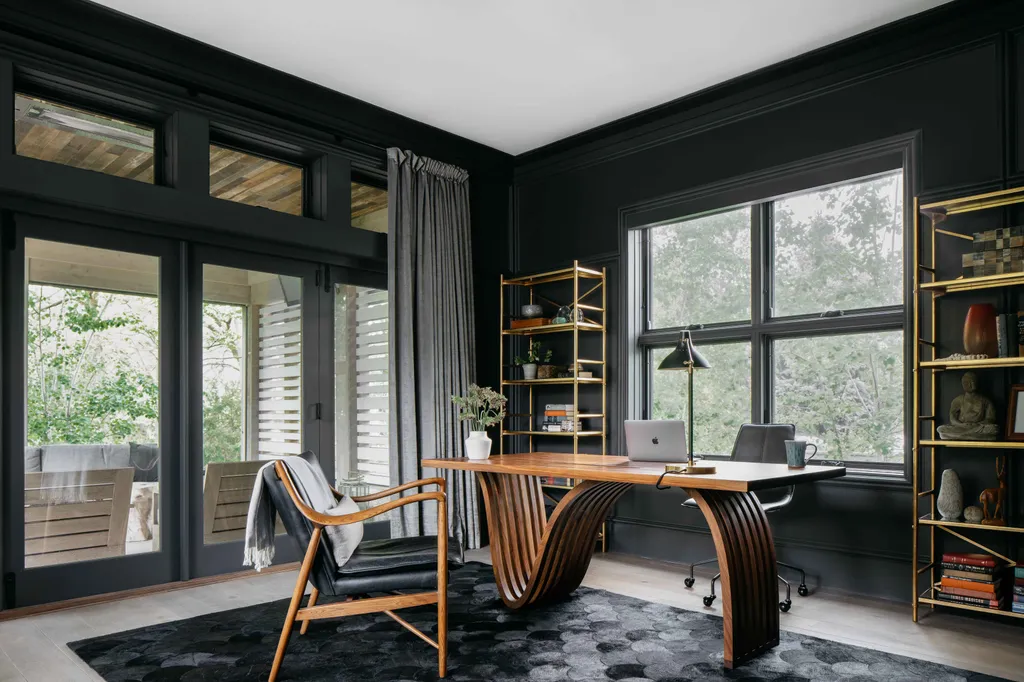

The global shift toward remote and hybrid work environments has transformed the traditional home from a purely personal sanctuary into a multi-functional space. What initially began as makeshift work setups on kitchen counters, dining tables, or bedroom corners has quickly evolved into a long-term reality for millions of professionals worldwide. However, working in an environment that lacks proper planning, ergonomic support, or intentional design can lead to chronic physical discomfort, cognitive fatigue, and diminished productivity over time.
A well-designed home office is far more than an aesthetic luxury; it is a critical investment in personal health, professional efficiency, and psychological well-being. By thoughtfully integrating ergonomic principles, optimal lighting, spatial organization, and intentional design elements, professionals can create an environment that elevates their daily performance while maintaining a clear boundary between work and personal life.
Ergonomic Health and Physical Well-Being
One of the most immediate advantages of a thoughtfully designed workspace is the preservation of physical health. Standard household furniture is rarely engineered to support the human body through eight hours of stationary desk work. Without proper ergonomic support, static posture puts excessive strain on muscles, joints, and the spine.
Musculoskeletal Support and Posture Realignment
Prolonged sitting in poorly designed chairs frequently causes lower back pain, neck strain, tension headaches, and repetitive strain injuries such as carpal tunnel syndrome. An ergonomic home office addresses these vulnerabilities by prioritizing body alignment:
-
Adjustable Seating: A high-quality chair featuring lumbar support, adjustable armrests, and seat depth controls ensures that the spine maintains its natural curve while relieving pressure on the lower back and hips.
-
Optimal Monitor Height: Position the top edge of the primary display at or slightly below eye level, roughly an arm’s length away. This alignment reduces strain on the neck muscles and prevents forward head posture.
-
Neutral Joint Angles: Keeping wrists straight while typing and positioning feet flat on the floor or on a supportive footrest promotes proper circulation and reduces joint strain throughout the workday.
Active Workstations and Physical Movement
Incorporating versatility into the workspace layout encourages physical movement throughout the day. Height-adjustable sit-stand desks allow workers to alternate between sitting and standing, breaking up prolonged periods of sedentary behavior. This variation boosts blood flow, burns additional calories, reduces metabolic fatigue, and alleviates spinal compression.
Cognitive Function, Focus, and Productivity
Space design directly influences how the human brain processes information, maintains concentration, and manages cognitive load. A cluttered, dark, or noisy environment forces the brain to expend extra energy filtering out distractions, leading to faster mental exhaustion.
Noise Control and Acoustic Optimization
Acoustic distractions are among the most common productivity killers in home environments. Household noises, outdoor traffic, and family activities disrupt deep focus and derail complex tasks. Designing a dedicated space with acoustic panels, thick rugs, heavy curtains, or solid doors creates a physical sound barrier that preserves concentration.
Furthermore, a quiet, acoustic-optimized space enhances communication during virtual meetings, ensuring clear sound quality without background distractions.
Visual Organization and Decluttering
The physical state of a workspace reflects and influences mental state. Visual clutter constantly competes for neural attention, increasing stress hormones and impairing working memory. A well-designed workspace incorporates efficient storage solutions, cable management systems, and functional organization tools to keep surface areas clear.
When a desk is organized and free of excess paperwork or cables, the brain experiences fewer visual distractions, allowing for sustained deep work and faster task completion.
Lighting, Air Quality, and Circadian Health
Environmental factors such as light exposure and indoor air quality play a foundational role in maintaining daily energy levels, mood stability, and alertness.
Natural Light and Circadian Alignment
Positioning a desk near a source of natural daylight offers profound physiological benefits. Sunlight regulates the body’s circadian rhythm, which controls sleep-wake cycles, hormone production, and daytime alertness:
-
Reduced Eye Strain: Natural daylight reduces the stark contrast created by bright computer monitors, decreasing visual fatigue and headaches.
-
Elevated Mood and Energy: Sun exposure triggers the production of serotonin, a neurotransmitter that stabilizes mood and enhances focus throughout the morning and afternoon.
-
Improved Sleep Quality: Consistent daytime light exposure supports natural melatonin production in the evening, leading to deeper, more restorative sleep.
For spaces with limited natural light, incorporating layered lighting using task lamps with adjustable color temperatures allows workers to mimic natural daylight patterns throughout the day.
Airflow and Cognitive Endurance
Indoor air quality significantly impacts cognitive performance. Poorly ventilated rooms accumulate carbon dioxide and volatile organic compounds, causing sluggishness, brain fog, and headaches. Incorporating air-purifying plants, air purifiers, or simple cross-ventilation improves oxygen flow, keeping the mind sharp during demanding work hours.
Psychological Boundaries and Work-Life Integration
One of the greatest challenges remote workers face is the blurring of boundaries between professional obligations and personal home life. Without physical separations, work tends to spill into personal hours, contributing to burnout and chronic stress.
Creating a Dedicated Professional Zone
Establishing a distinct home office creates a psychological threshold that signals to the brain when it is time to work and when it is time to rest. Entering a dedicated room or clearly defined area prepares the mind for professional output. Conversely, stepping away from that space at the end of the day signals the formal conclusion of the workday.
This spatial separation prevents work tasks from mentally intruding on family time, relaxation, and leisure activities, fostering long-term emotional well-being and reducing burnout risks.
Personalization and Motivation
Unlike traditional corporate cubicles, a home office allows for complete aesthetic control. Personalizing the space with inspiring artwork, uplifting color schemes, comfortable textures, and greenery creates a welcoming environment where individuals actually enjoy spending time. An aesthetically pleasing space boosts intrinsic motivation, creative problem-solving, and general job satisfaction.
Professional Image and Technological Efficiency
In the contemporary business world, a home office serves as a primary hub for professional interactions. Virtual client meetings, team collaborations, and presentations require a dependable, polished environment.
Optimized Digital Infrastructure
A well-planned office prioritizes seamless technological performance:
-
High-speed internet connections supported by hardwired ethernet or reliable mesh networks.
-
Plentiful power outlets positioned near desks to eliminate dangerous or unsightly extension cords.
-
Integrated surge protection to safeguard expensive hardware investments from sudden power spikes.
Having a dedicated, technologically equipped workspace ensures that technical glitches, poor connectivity, and hardware delays do not disrupt professional performance.
Professional Virtual Presence
With video conferencing now standard, the background of a home office represents a professional brand. A clean, well-lit, non-distracting background projects competence, attention to detail, and respect for colleagues and clients. Dedicated lighting kits, neutral wall colors, and tidy shelving eliminate background clutter during online presentations.
Conclusion
Designing a home office is an intentional process that yields substantial returns across physical health, mental focus, work-life balance, and professional output. By replacing temporary, makeshift arrangements with an ergonomically supported, well-lit, organized, and dedicated workspace, remote professionals set themselves up for sustainable long-term success. A thoughtful home office does not merely accommodate daily work; it actively enhances well-being, protects personal time, and empowers individuals to perform at their highest potential.
Frequently Asked Questions
How can someone create an effective home office in a small space or apartment?
Small spaces benefit from vertical storage solutions such as floating shelves, wall-mounted pegboards, and multi-functional furniture. Utilizing a compact or folding desk, placing it in a dedicated corner, and using room dividers or curtains creates a defined, distraction-free workspace without sacrificing living area.
What is the most critical ergonomic investment for a home office?
A high-quality adjustable ergonomic chair is widely considered the most vital investment. Because sitting puts substantial pressure on the lower back and lumbar region, an adjustable chair provides essential spinal alignment, reduces muscular fatigue, and prevents long-term joint damage.
How does lighting affect productivity in a home workspace?
Insufficient lighting forces the eyes to overwork, causing strain, fatigue, and headaches. Dark environments can also trigger melatonin production, leading to daytime drowsiness. Combining indirect ambient lighting with dedicated task lighting ensures clear visibility and helps sustain steady energy levels throughout the day.
What are the best indoor plants for a home office environment?
Low-maintenance, air-purifying plants like snake plants, pothos, peace lilies, and ZZ plants thrive in indoor lighting conditions. They remove common airborne pollutants, increase oxygen levels, and add soothing natural greenery that reduces stress without demanding excessive care.
How can remote workers maintain clear boundaries if they do not have a separate room for an office?
If a dedicated room is unavailable, professionals can establish boundaries through consistent routines and visual cues. Using a privacy screen, packing away work laptops and documents at the end of the day, and adhering to strict start and end times prevents work obligations from bleeding into personal living spaces.
Is a standing desk strictly necessary for a healthy home office setup?
A standing desk is beneficial but not strictly necessary. The primary objective is to avoid static posture for hours at a time. Individuals using standard sitting desks can achieve similar health benefits by taking short movement breaks every forty-five minutes, stretching regularly, and incorporating brief walks throughout the workday.
Comments are closed.