
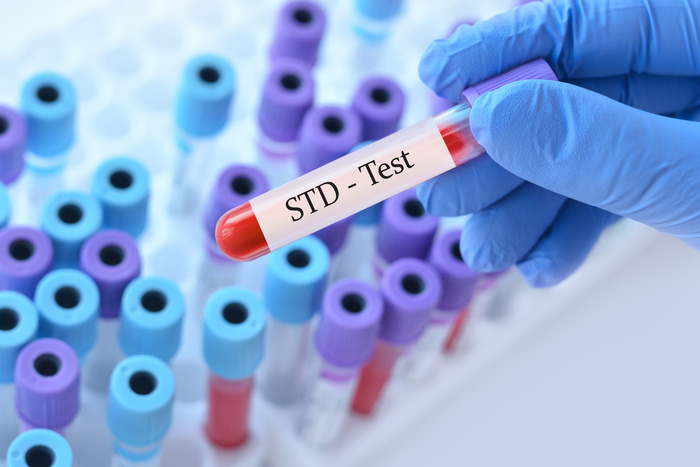

Many people delay STD testing not because they do not care about their health, but because they feel worried about privacy. They may wonder who will see their results, whether they will be judged, or what might happen if the test is positive. These concerns are common, but they should not stop anyone from getting the care they need.
A confidential STD test in Singapore gives patients a safer and more private way to understand their sexual health. It helps them move from worry to action. When testing is handled properly, patients can speak openly with a doctor, receive the right advice, and get treatment early when needed.
Why Privacy Matters In STD Testing
Sexual health is personal. Many patients feel uncomfortable talking about symptoms, partners, or possible exposure. Some may feel embarrassed even when they have done nothing wrong. Others may avoid testing because they are afraid someone will find out.
Privacy matters because it helps people feel safe enough to ask for help. When patients know their information is handled with care, they are more likely to be honest about their concerns. This helps the doctor recommend the right tests instead of guessing.
Confidential testing also protects a person’s dignity. STDs and STIs are medical conditions. They should be treated like any other health issue, with respect and proper care.
What Confidential Testing Usually Means
Confidential STD testing means your medical information is kept private within the healthcare setting. The doctor and clinic team use the information to provide care, explain your results, and recommend treatment if needed.
During the consultation, the doctor may ask questions about:
- Recent sexual contact
- Symptoms such as discharge, sores, pain, or itching
- Condom use
- Number of partners
- Possible exposure to an infection
- Previous test results or treatment
These questions are not meant to judge you. They help the doctor decide which tests are suitable and when the tests should be done. Some infections have a window period, which means testing too early may not give a complete picture.
Why Many STDs Are Missed Without Testing
One reason testing is important is that many STDs do not always cause clear symptoms. A person may feel completely well but still have an infection. This is why waiting for symptoms can be risky.
Some infections, such as chlamydia and gonorrhoea, may cause pain during urination, unusual discharge, or pelvic discomfort. But they can also be silent. Syphilis may start with a painless sore that goes away on its own, even though the infection remains. HIV may not show obvious signs in the early stage.
Without testing, a person may unknowingly pass an infection to a partner. Delayed treatment can also lead to complications, including reproductive health problems in some cases.
How Confidential Testing Helps Patients Act Sooner
Fear often makes people delay care. Confidential testing reduces that fear by creating a private space to speak with a medical professional. Once patients feel that their concerns are respected, it becomes easier to take the next step.
Testing can help patients:
- Know their current status
- Treat infections early
- Protect their partners
- Reduce anxiety caused by uncertainty
- Make informed choices about future sexual health
Even a negative result can be helpful. It gives peace of mind and allows the doctor to advise whether repeat testing is needed based on the timing of exposure.
What To Expect During An STD Test
An STD test in Singapore may involve different sample types depending on the infection being checked. The doctor may recommend a blood test, urine test, or swab test.
Blood tests are commonly used for infections such as HIV, syphilis, hepatitis B, hepatitis C, and herpes screening when appropriate. Urine tests or swabs may be used for infections such as chlamydia, gonorrhoea, trichomonas, mycoplasma, or ureaplasma.
The process is usually straightforward. You do not need to feel ashamed or over-explain everything. It is enough to share honest details so the doctor can guide you properly.
When Should You Consider Testing?
Testing may be useful even when there are no symptoms. You should consider screening if you recently had a new sexual partner, had unprotected sex, are unsure about a partner’s sexual history, or have multiple partners.
You should also get tested if you notice symptoms such as:
- Pain or burning when passing urine
- Unusual discharge
- Genital sores, blisters, or rashes
- Itching or discomfort
- Lower abdominal or pelvic pain
- Pain during sex
Pregnant women and people with a known exposure should also seek medical advice promptly. Early testing and treatment can help protect both personal health and partner health.
Why Honesty With The Doctor Helps
Some patients worry that sharing details will make the consultation more uncomfortable. In reality, clear information often makes the visit easier. The doctor can focus on what matters and avoid unnecessary tests.
For example, the type of sexual contact may affect whether a urine test, throat swab, rectal swab, or blood test is needed. The date of exposure may also affect whether a repeat test is recommended later.
A good consultation should feel professional, calm, and respectful. The goal is not to blame. The goal is to help you get accurate answers.
Confidential Care Can Also Support Treatment
Testing is only one part of sexual health care. If a result is positive, the next step is proper treatment and follow-up. Some STDs can be treated with oral medication or injections. Others, such as HIV or herpes, may require long-term medical guidance and management.
Partner notification may also be discussed, depending on the result. This can feel difficult, but it is part of preventing reinfection and protecting others. A doctor can explain how to handle this responsibly.
Choosing A Clinic That Handles Testing With Care
When choosing a clinic, look for one that explains the process clearly and treats the topic with sensitivity. Patients should understand what tests are being done, when results may be ready, and whether follow-up is needed.
LoveJoy Family Clinic includes STD screening as part of its health screening services and states that consultations may involve history-taking, suitable blood, urine, or swab tests, and treatment when necessary, with medical information kept confidential in clinic records.
Taking The First Step
Getting tested does not mean something is wrong with you. It means you are taking responsibility for your health. The fear of being judged, exposed, or misunderstood can feel heavy, but confidential testing helps reduce that burden.
A private STD test in Singapore can give you answers, support early treatment, and help you protect your partners. More importantly, it allows you to move forward with clarity instead of staying stuck in worry.
Sexual health is still health. It deserves the same care, privacy, and respect as any other medical concern.
Comments are closed.